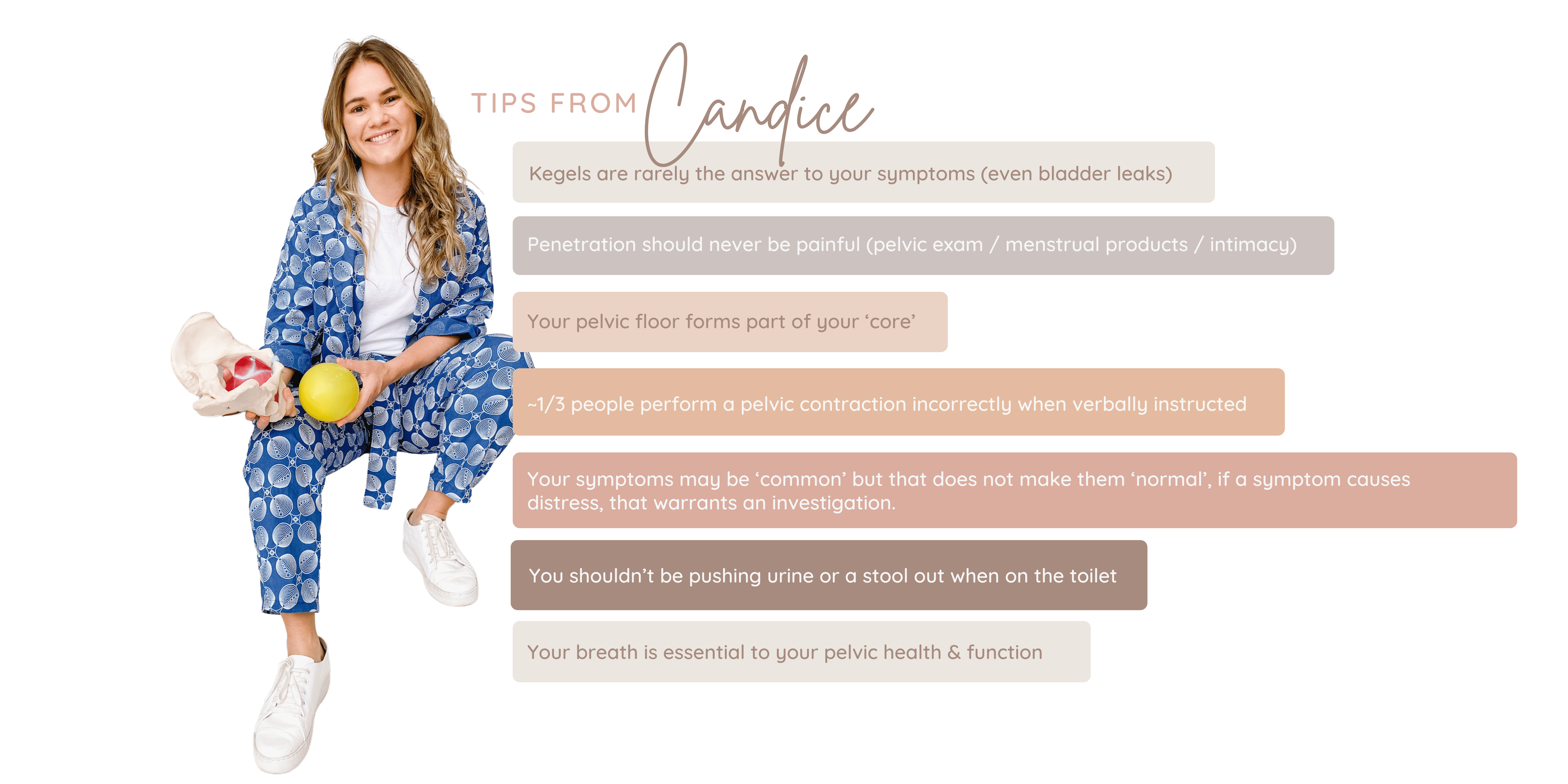

Candice Langford is a physiotherapist with a special interest in pelvic health. She grew up on the east coast of South Africa, completed two Bachelor of Science degrees at the University of Cape Town, opened her own practice, and continued to grow within the field of pelvic health. Her professional journey later led her to Grand Cayman, where she was invited to practice her special interest in pelvic and sexual health physiotherapy. Most recently, she welcomed her first child in Cambridge, UK, before returning to her hometown of Durban, South Africa.
With a diverse background in science, Candice brings an inquisitive perspective to physiotherapy management, a lateral-thinking approach to complex cases, and a strong eagerness to continue learning. She has embraced every opportunity to study with internationally acclaimed leaders in the pelvic health space, deepening her passion for supporting patients with complex pelvic and sexual pain presentations. Her clinical approach is further enriched by her BASI Mat and Reformer Pilates certification, which complements her work in movement, body awareness and rehabilitation.
With the intention of holding a safe space for her patients and maintaining a trauma-informed approach to care, Candice has also completed training in trauma counselling and became an MSH-verified sex counsellor, further complementing her existing knowledge base.
Through a creative and community-driven lens, Candice is passionate about sharing knowledge, educating, and empowering others. She therefore created an online platform called Nurture (website: nurturepelvichealth.com | Instagram: @nurtureyourvagina), which continues to grow as she encourages curiosity and helps normalise the narrative around so-called “taboo” topics in order to improve access to appropriate care. Here, you will hear her talking about all the P’s, and championing her slogan: “Pee, Poo, Pleasure, Pain, Periods, Pregnancy, Postpartum, Peri- and Post-Menopause, Prolapse, and of course, the Pelvic Floor.”
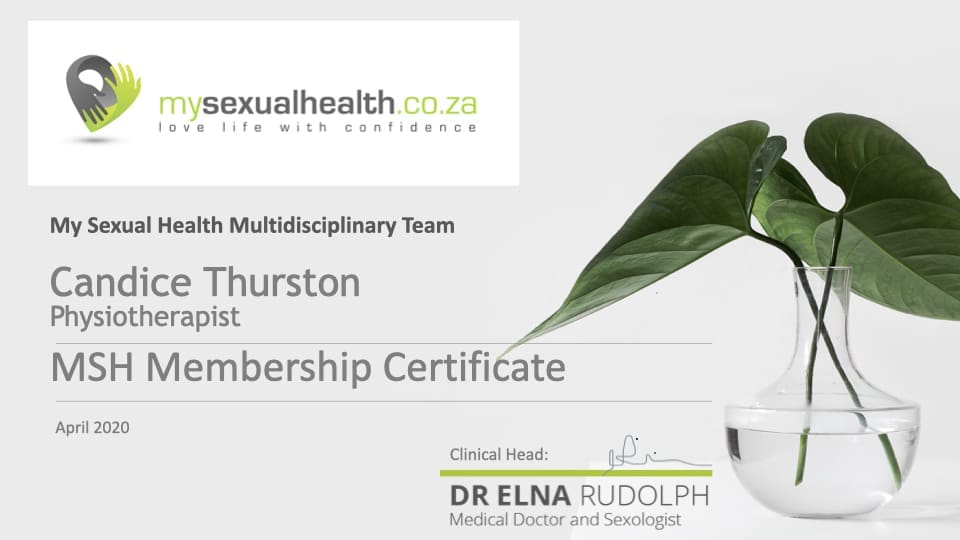
Candice is a proud member of My Sexual Health Team (MSH), led by Dr Elna Rudolph, President of the World Association for Sexual Health (WAS). She has presented to the MSH team on the topic of CBD and sexual health and has also created an online course outlining her approach to complex sexual pain management for vaginismus patients, titled Pain to Pleasure.
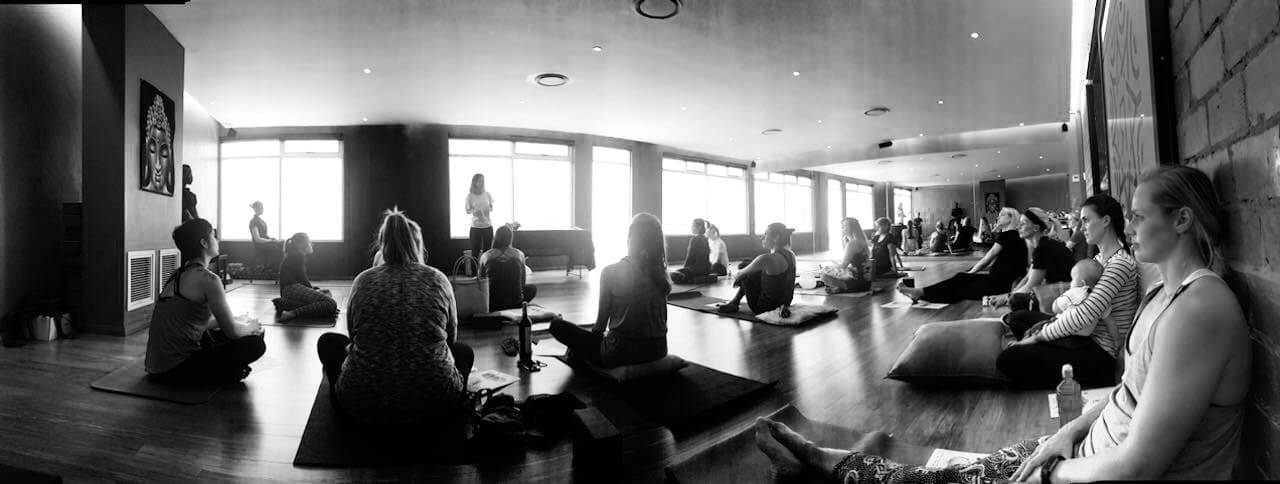
Public speaking, hosting events, and community collaboration across a variety of industries have all played an important role in Candice’s desire to empower through education and break down barriers to comprehensive care.
Candice’s educational background is broad, yet relevant to the multifaceted lives we live. She is committed to continuing to expand her knowledge base through a biopsychosocial lens in order to best serve her patients and community.
In practice, Candice has run her own practice in the heart of Ballito, South Africa, and has also worked in Grand Cayman, where she served as the Clinical Lead of a growing multidisciplinary team of more than 10 practitioners at The Well. In the physio room, she assesses and treats symptoms and concerns relating to pelvic and sexual health for patients of all ages, across many life stages – from puberty, pregnancy, and postpartum, through to the menopause transition.
“I commit myself to offering a collaborative approach to care, working together with my patients to help them reach their unique goals.”
– Candice Langford

What is pelvic health physio
A field of physiotherapy encompassing evaluation, treatment and education for individuals with concerns relating to the pelvic region, through the various life stages.
Do i need a pelvic Physio?
Your pelvic region is deeply integrated into your daily activities and undoubtedly to your holistic health and quality of life. Pelvic function is essential through all life phases, from; potty training to menstrual periods, child bearing years and through the menopausal transition.
Much like any other muscle, the pelvic floor muscles may present as weak, tight, over-stretched or painful for many reasons and at any life stage leading to dysfunction. These muscles are often thought to be the sole focus of physio but ‘everything is connected’ and we often need to assess and treat surrounding tissues, joints and nerves.
Your current symptoms may relate to or stem from: pregnancy, child birth, surgery, injury, chronic constipation, lifting activities, high impact exercise, lifestyle factors, healthy ageing, surgery, chronic conditions, hormone therapies… These factors are all assessed and considered during your appointment.

What is the pelvic floor
The pelvic floor is a sling of muscles found at the base of your trunk, this muscular group, along with surrounding tissues contributes to function. The system needs to be able to activate to maintain continence & control pressure but also relax to allow for urination, bowel movements and penetration.
The pelvic floor function is integrated into and reliant on surrounding structures in order to achieve full function, and vice versa. We will therefore also consider surrounding; joints, nerves, vessels, organs & connective tissues in order to help you achieve your unique goals.